

Go to primary content (press enter)

DTU Physics

Department of Physics

  • Research
  • Teaching
  • Collaboration
  • Matchmaking Day 2026
  • About
  • Contact
  • Search
  • Contact

DTU Physics

At DTU Physics, we perform research, teaching, and innovation in experimental and theoretical physics with the overall aim to benefit society. We contribute to the transition to sustainable energy via research and innovation in catalysis, Power-to-X, and nuclear energy solutions. We design and develop new functional materials, contribute to advances in geosciences and life sciences, and we develop and exploit quantum physics and quantum technologies.

;
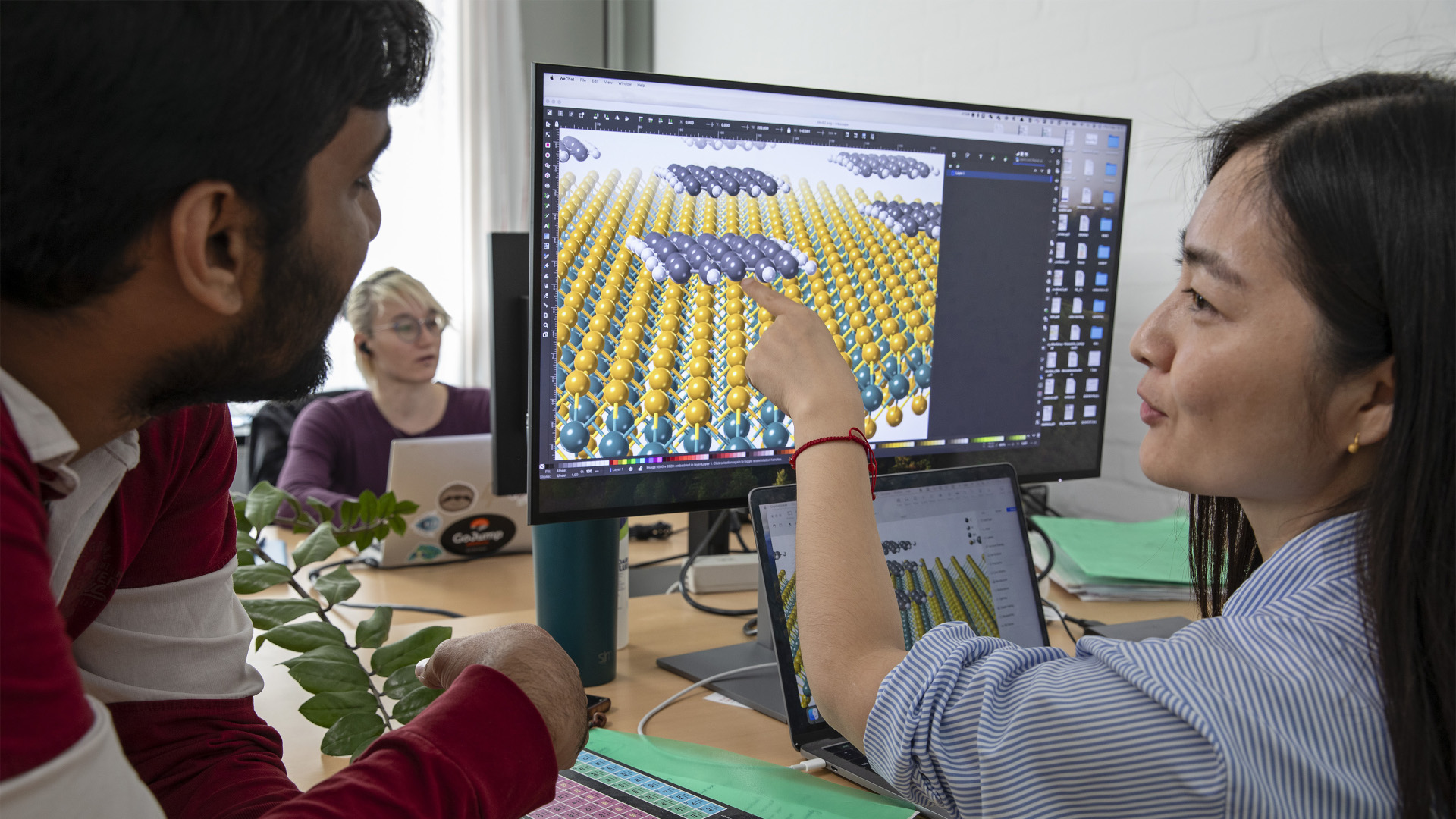
Atomic simulations

Research sections

Our research areas include surface physics, catalysis, materials physics, computational physics, plasma physics, nuclear physics, continuum physics, biophysics, luminescence physics, and quantum technology.

Research centers

Our DTU research centers collaborate across several departments at DTU. Topics include advanced microscopy and nuclear energy technology.

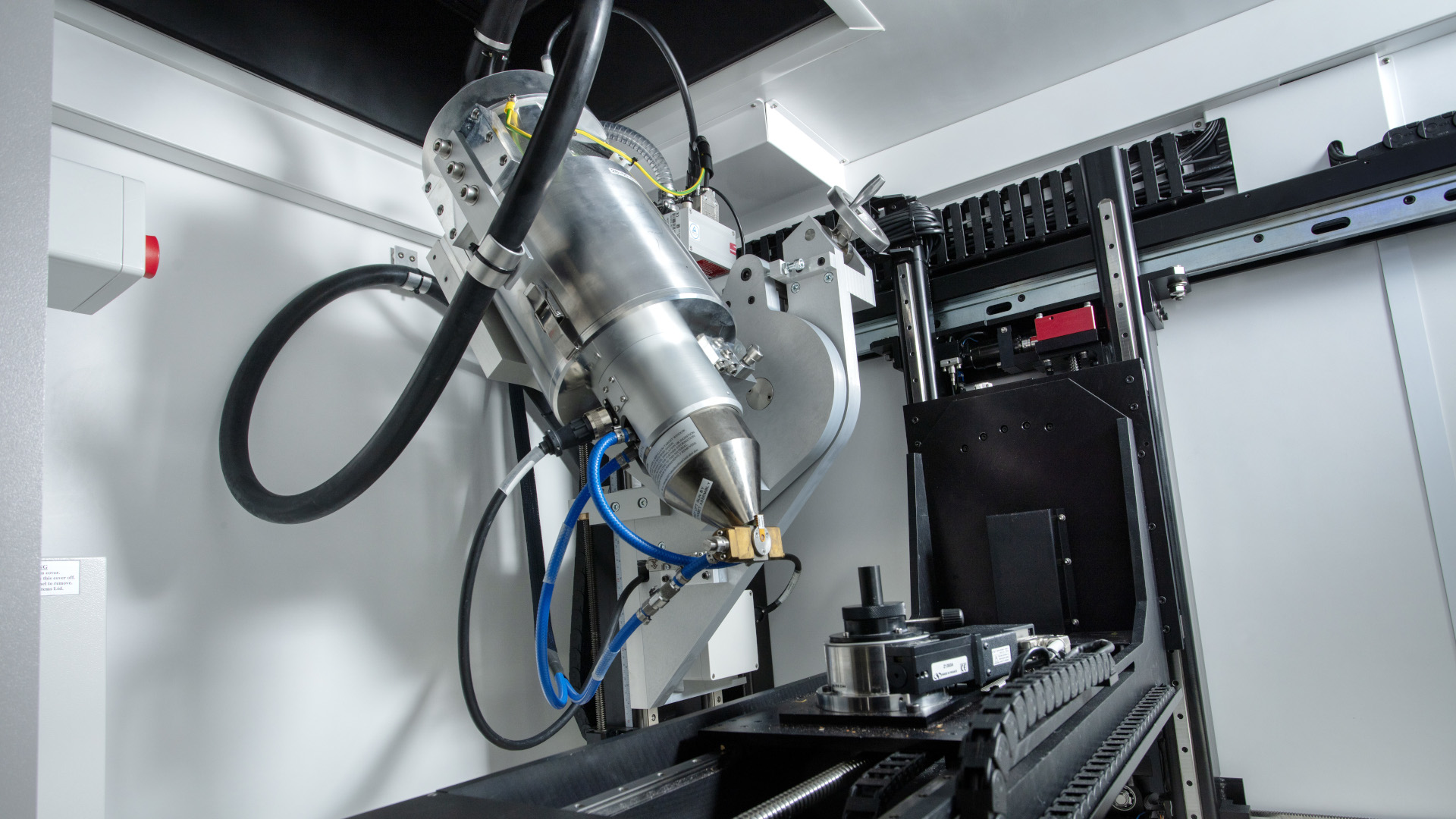
CT Scanner

Research facilities

We use and develop state-of-the art instrumentation in our research labs and travel to large-scale international research infrastructures e.g. synchrotrons, neutron sources, and fusion devices.

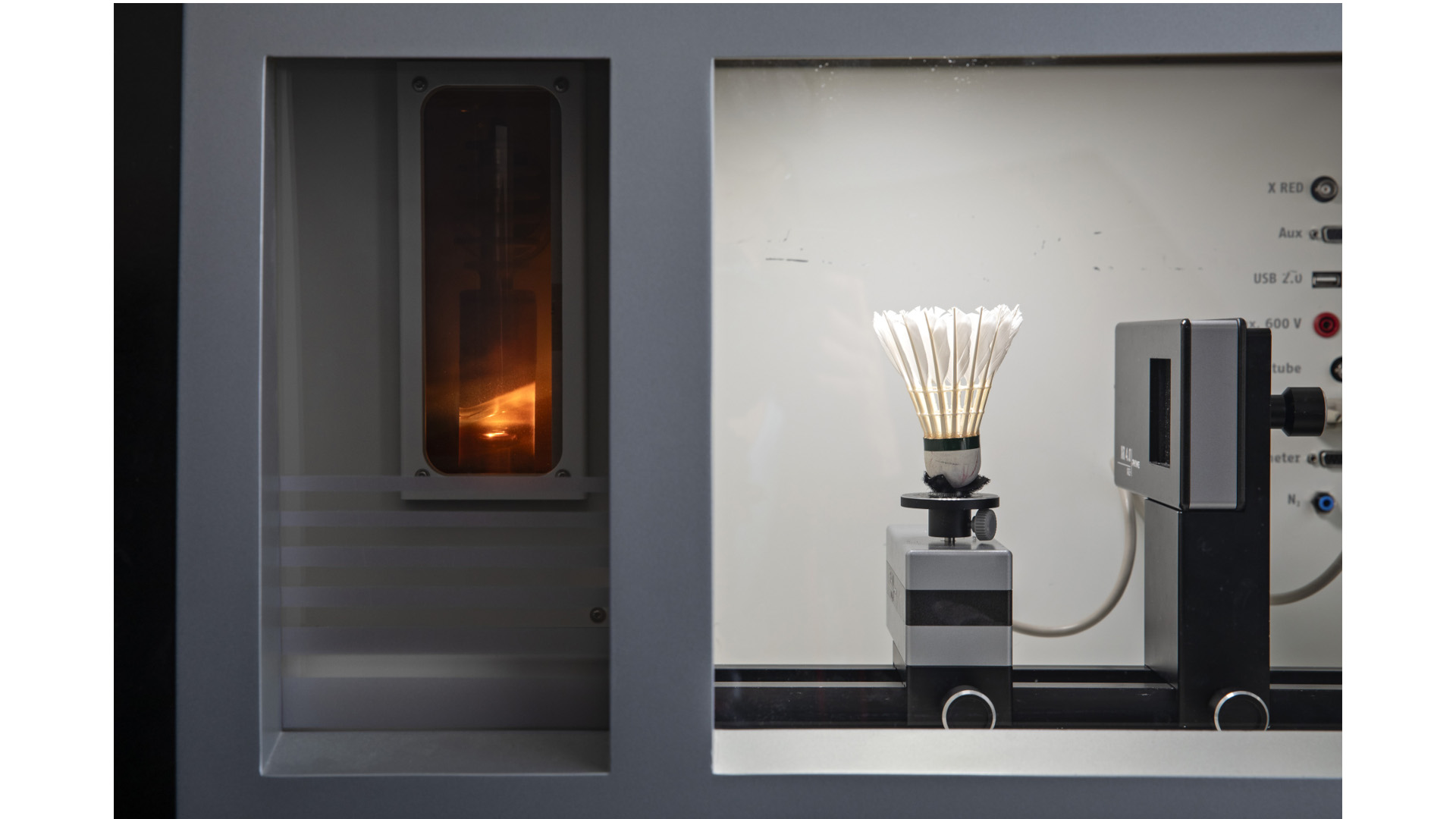
Tomography of badminton shuttle

Teaching and experiments

We have experiments integrated in many of the courses to support students’ learning and innovative skills. We offer more than 70 courses on BSc-, MSc- and PhD levels in topics related to physics and our research areas.

Education BSc & MSc

We are actively engaged in the Engineering Physics BSc and MSc educations and contribute to several other educations with courses and projects. Read more here.

PhD education

At DTU Physics we have about 100 PhD students engaged in our research sections and centers. Read more here about how it is to be a PhD student and explore your opportunities here.

News

Show all news

06 March 2026

DTU researchers to build the world's first neutron microscope that can see inside batteries

Using the world's most powerful neutron source and technology from space telescopes, DTU researchers will create a unique microscope that can look inside batteries and see what happens when they break down. This could lead to better battery materials in the future.

18 December 2025

Four major DTU projects in new roadmap for research infrastructure

In the Ministry of Higher Education and Science's new roadmap for investments in important research infrastructures, DTU is leading four major projects. Two will be financed immediately.

DTU researchers receive PREPARE grants from NNF.

20 November 2025

Three DTU researchers receive PREPARE grants from the Novo Nordisk Foundation

The grants will support the development of new teaching formats and experimental learning activities at DTU.

DTU Lyngby Campus Grønnegården

23 October 2025

25 DTU researchers receive grants from the Independent Research Fund Denmark

Independent Research Fund Denmark awards DKK 558 million to 182 new research projects across all scientific research areas.

Show all news

Calendar

Show all events

We currently have no scheduled events

Show all events
History of DTU

History of technology

Read more about the nearly 200 years old history of DTU, and how it contributes to the betterment of society.
Read about the history of DTU See the historical collection See the educational material of technological history

Subpages

  • Research
  • Teaching
  • Collaboration
  • Matchmaking Day 2026
  • About

DTU Physics

Department of Physics

Address

DTU Lyngby Campus

Building 307 & 309-313
2800 Kgs. Lyngby, Fysikvej

DTU Risø Campus

Building 106 & 201
4000 Roskilde, Frederiksborgvej 399

info@fysik.dtu.dk
Tel.: +45 2381 4736
VAT: 30060946
EAN: 5798000431010

Shortcuts

  • Phonebook
  • Directions/map
  • See all vacant positions at DTU Physics
  • Supplier information (CVR and EAN)
  • Course base
  • DTU Inside (login)
  • DTU Library
  • DTU Orbit (Research database)
LinkedIn
Use of personal data Cookie overview Accessibility